
Quick Answer
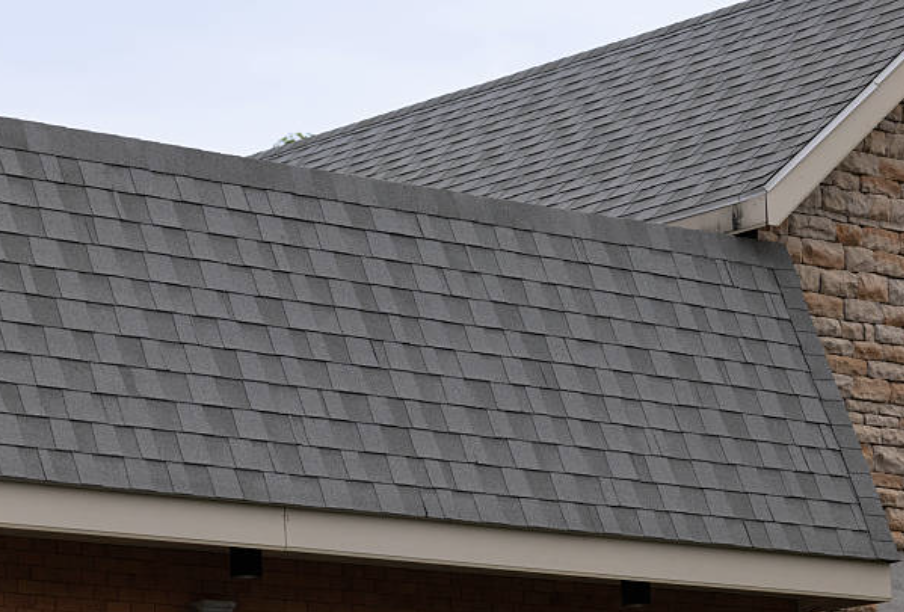
A full roof replacement in the Twin Cities makes sense when the roof is near the end of its life or storm damage has left widespread damage to repair.
In Minnesota, a typical tear-off and install takes one to two days.
Depending on the material, most roofs last about 15 to 30 years.
Lakeside Roofing & Remodeling offers free inspections.
Full Roof Replacement When Repairs Keep Adding Up
Roof replacement in the Twin Cities is the complete tear-off of the old roof down to the wood deck and installing a new roofing system. In Minnesota, new roofing materials are built to stand up well against snow, ice dams, and storms. Each replacement starts with a familiar pattern here. A leak gets fixed in the spring, a new one shows up after the next big rain, or a water stain is not addressed after many repairs.
Frequent repairs can feel like a cheaper choice. A full tear-off and replacement fixes the cause instead of patching up the symptoms. Lakeside looks at the source of the damage and how much it has affected the roof. We will explain if there is widespread wear or storm damage and what a full replacement would address.
See How Your Roof is Holding Up
A free roof inspection tells you whether repair or replacement is the best option forward.
What a Full Roof Replacement Covers, From the Deck Up
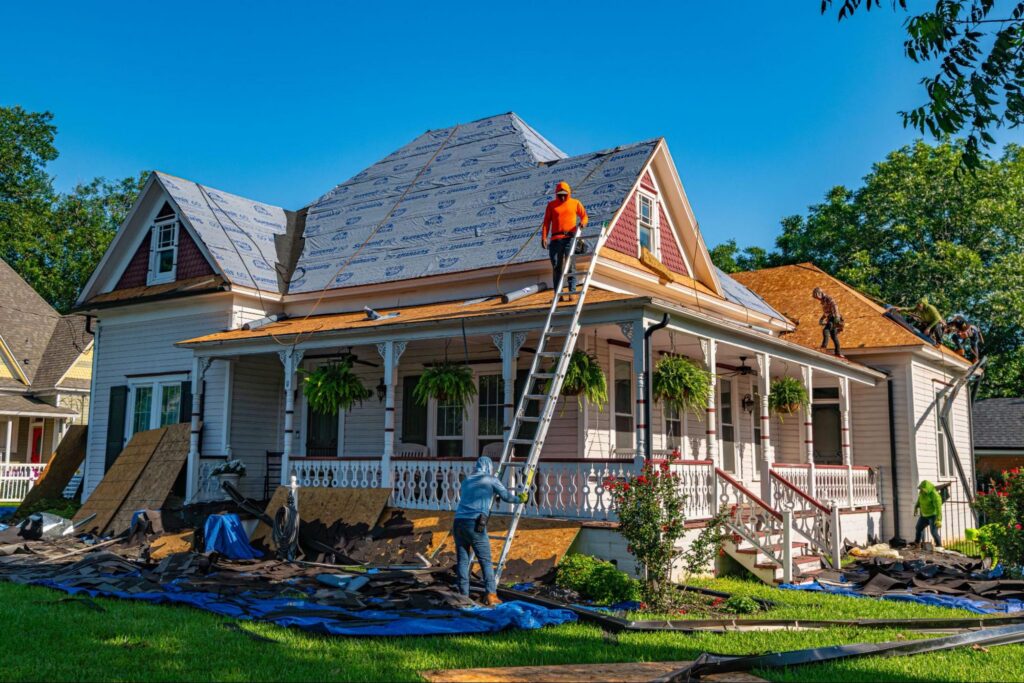
A full roof replacement covers the old roof tear-off, checking and repairing the wood deck, and installation of the new roofing system, from the protective layers to the shingles above. The roof decking, also called sheathing, is the plywood or boards your shingles are nailed to. Tear-off exposes any soft or rotted wood, and Minnesota’s building code requires unsound decking to be repaired before a new roof goes on.
Each home needs an ice barrier against Minnesota’s severe, changing climate. That’s the sticky, waterproof layer installed along the bottom edge of the roof that stops meltwater from getting under the shingles. Then, an underlayment covers the rest of the deck as a second line of defense. Flashing, the thin metal that seals around chimneys, walls, and valleys, keeps water out at the seams, and the vents let your attic breathe.
Gutters, siding, and interior ceiling repairs are separate jobs and not included in a roof replacement. If the same storm damages these areas, professional contracting services are available to address them.
Better Protection Against Minnesota Rain and Snowmelt
A new roof keeps water away from your home. Newly installed shingles, a new ice barrier, and sealed flashing close the gaps where heavy rain, wind-driven storms, spring snowmelt could otherwise enter. Here’s how a new roof in the Twin Cities pays off:
- Tight Seal Against Rain and Storms: New shingles fit tightly and shed water the way they’re designed to. Wind is less likely to lift them, so a heavy downpour has fewer gaps to enter.
- Fewer Leaks from Ice Dams: The ice barrier and better attic airflow keep snowmelt from backing up under the shingles. Ice dams can still form on a new roof, but they’re less likely to turn into a leak and ceiling stain.
- Better Hail Resistance: Impact-resistant shingles handle hail better than standard ones, which can mean fewer damage repairs after a storm.
- Better Roofing Insurance: Many insurance policies now pay less on older roofs, so a new roof can improve your coverage, not just protect your house. Minnesota statute law also requires insurers to offer a discount for roofs certified to the FORTIFIED standard, a stronger build method from the Insurance Institute for Business & Home Safety. Your insurance agent can tell you how it applies to your policy.
- Enhanced Comfort and Energy Use: A newly installed roof with good attic ventilation and insulation helps hold heat better during winter and keep it out in summer.
- Maintained Home Value: Buyers and home inspectors look at homes as a whole, and an old roof can slow a sale.
- Aligned With Manufacturer Warranty: New shingles come with a manufacturer warranty, and its coverage depends on the product. We’ll explain each roof material’s manufacturer’s warranty before you decide.
Weighing Whether a New Roof Is Worth It?
Factors to Consider When Deciding on a New Roof in Minnesota
Deciding on a full roof replacement in the Twin Cities often comes down to the existing roof’s age, damage, timing, and what your long-term plans look like. Lakeside Roofing & Remodeling helps Twin Cities homeowners weigh each one.
Age
You don’t always need to replace a 20-year-old roof. It can still be repaired if most sections remain sound and the damage is limited. A 3-tab roof (flat, single-layer shingles) is usually near the end at 15 to 20 years, while architectural shingles often last between 20 to 30 years.
Replacement is worth discussing when shingles are curled, cracked, or brittle in some areas, or if leaks keep on returning.
Winter and Storm Damage
Storm roof damage, wind-lifted shingles, and leaks from ice dams are often the most common reasons roofs get replaced here. When the damage covers most of the roof, an insurance company may approve a full roof replacement rather than a patch.
Widespread Wear
One leak near a vent can be fixed with repair. Stains in different rooms or leaks that return after repairs call for a closer look and often, a full roof replacement.
Timing
Late spring through fall is the easiest window for roof replacement in Minnesota. Shingles need roughly 40°F and some sun to seal down on their own. So in colder weather, roofing crews manually seal them. A winter roof replacement can still be done with the right process and safety precautions; it just takes longer.
Long-term Plans
If you are planning to stay for another 20 years, a better, longer-lasting material may be worth the upfront cost. Solid architectural shingles are usually the practical choice if you’re planning to move within the next few years.
Local Code and Permits
Minnesota state building code requires a building permit to reroof a home, while your specific city sets the fee. Lakeside pulls the permit needed before work starts.
If you’re seeing one or two signs of a worn, old, or storm damaged roof, a free inspection helps determine how your roof really stands.
Comparing Shingles and Metal Roofs for Your Home
Most Twin Cities homes often select architectural shingles, impact-resistant shingles, or metal roofing. The right roofing material depends on your budget, how long you’ll stay, how often hail hits your area, and your roof’s pitch.
| Material | What It Does Well | Best For | Typical Lifespan in MN | Main Tradeoff |
|---|---|---|---|---|
| 3-Tab Asphalt Shingles | Lowest upfront cost. | Homes with practical budgets. | About 15 to 20 years. | Thinner, wears faster in hail and wind storms. |
| Architectural Asphalt Shingles | Thicker, layered, and handles weather well. | Most Twin Cities homes. | About 20 to 30 years. | Costs more than 3-tab shingles. |
| Impact-Resistant (Class 4) Shingles | Tested to resist hail damage. | Hail-prone areas, fewer claims. | About 20 to 30 years. | Higher price; very large hail can still damage them. |
| Metal Roofing | Better water runoff and sheds snow well. Often lasts for decades. | Homeowners staying long-term. | About 40 to 60 years. | Highest upfront cost; can dent in hard hail. |
Treat these lifespans as general estimates, since Minnesota weather can still push roofs toward the lower end. We will show you roof options that make sense for your home, budget, and long-term plans.
What Drives the Price of a New Roof
Two homes with the same floor plan can still have different roof replacement costs. An accurate estimate for roof replacement often comes down to several factors:
- Roof Size, Pitch, and Shape: Larger and steeper roofs need more material, safety setup, and more labor. The number of valleys, skylights, and chimneys also add detailed flashing work.
- Old Layers to Remove: Each layer of old shingles adds tear-off time, labor, and disposal fees.
- Deck Condition: Rotted or soft decking found during tear-off must be replaced first, before the new roof goes in.
- Roof Material: Impact-resistant shingles and metal roofing cost more up front than standard architectural shingles.
- Attic Ventilation: If your attic has poor ventilation, fixing the airflow adds upfront cost but helps the new roof last.
- Insurance Deductible: Insurance can cover the replacement but deductibles are paid by the homeowner. Minnesota bars contractors from advertising to cover any part of your deductible as an incentive.
A free, on-site inspection helps you get a clear, written estimate based on the actual roof condition, not a guess over the phone.
Steady and Hands-On Experience For Your New Roof
Lakeside Roofing & Remodeling is led by its owner, Ryan Raisanen, who brings 18+ years of hands-on trade experience to every roofing project. He has personally worked in roofing, siding, framing, and finish carpentry, so he knows how a roof works from the deck up. His advice on roof repair versus replacement comes from real experience on jobsites, not from a sales script.
Each new roof is built and installed to stand up against Minnesota weather. That means proper installation and protection start in the layers beneath: the deck, the ice barrier, the flashing, and proper attic airflow. Those layers make up a roof that holds up through its first spring thaw.
You’ll have one point of contact from the free inspection to the final cleanup, with the goal to provide a result you’re genuinely happy with. We don’t call a job finished until it’s done right. If storm damage restoration is part of the picture, we work with your insurance adjuster, on your side.
What Homeowners Say After Their New Roof
⭐⭐⭐⭐⭐
“This contractor gets a 5 star review from me! .I was amazed how genuine and honest he was from the beginning to the end, helping me call the insurance , starting the claim and giving me expert information on the process. The speed of the job and getting my roof replaced happened in under 2 weeks! Excellent job and service!!! Well done RYAN”
– Gail V., Verified Customer
⭐⭐⭐⭐⭐
“Quality installation, corrected previous mishaps from a past contractor and priced perfectly.”
– Paul L., Verified Customer
Get Clear Answers Right From the Inspection
Roof Replacement Across the West and Southwest Metro
From our home base in Mayer, we replace roofs across the west and southwest Twin Cities metro, including Minnetonka, Wayzata, and Edina. We also serve homeowners in Waconia, Chanhassen, Chaska, and Eden Prairie, plus the smaller communities in between.
Working close to home means we’re easy to reach before the project starts and long after it wraps up. Check our Service Areas for the complete list of communities we serve. Don’t see your town listed? Give us a call and ask.
Roof Replacement Twin Cities FAQs
How long does a roof replacement take?
Most asphalt shingle roof replacements take one to two days for most standard homes. A larger or steeper roof, extra layers, or rotted decking can stretch the project timeline, while rain or cold weather can push the start date later. We provide a clear estimate including a realistic timeline, and we'll keep you updated if weather or local factors move it.
What if my insurance denies the claim after I sign with a roofer?
Minnesota law gives you 72 hours to cancel the contract after your insurer tells you the claim was denied. The roofing contractor must refund your payments within 10 business days, less any emergency work already done. Your roofing contract has to outline this right, so check for it before you sign.
Can you put new shingles over an old roof?
Not always, since Minnesota code limits it. You can't add a layer over a roof that already has two, and some cities, like St. Paul, require the local building inspector's approval first. Layering over an existing roof also covers up the deck, so any soft or rotted wood stays hidden under the new shingles instead of getting fixed.
Will insurance pay for a full roof replacement?
Insurance usually covers a roof replacement for storm-related damage, like hail or wind, not normal aging. On older roofs, many policies pay actual cash value, which subtracts for the roof’s age, so you may cover part of the cost. Our storm damage restoration page explains the claim process step by step.
Can I replace just one side of my roof?
Yes, you may be able to replace one side if the damage is limited and the rest of the roof is in good shape. How the new shingles meet the old ones matters, especially in areas where two slopes join. Our roofing services cover repair and replacement options you can ask about during an inspection.
How long does a roof replacement take?
Most asphalt shingle roof replacements take one to two days for most standard homes. A larger or steeper roof, extra layers, or rotted decking can stretch the project timeline, while rain or cold weather can push the start date later. We provide a clear estimate including a realistic timeline, and we’ll keep you updated if weather or local factors move it.
What if my insurance denies the claim after I sign with a roofer?
Minnesota law gives you 72 hours to cancel the contract after your insurer tells you the claim was denied. The roofing contractor must refund your payments within 10 business days, less any emergency work already done. Your roofing contract has to outline this right, so check for it before you sign.
Can you put new shingles over an old roof?
Not always, since Minnesota code limits it. You can’t add a layer over a roof that already has two, and some cities, like St. Paul, require the local building inspector’s approval first. Layering over an existing roof also covers up the deck, so any soft or rotted wood stays hidden under the new shingles instead of getting fixed.
Will insurance pay for a full roof replacement?
Insurance usually covers a roof replacement for storm-related damage, like hail or wind, not normal aging. On older roofs, many policies pay actual cash value, which subtracts for the roof’s age, so you may cover part of the cost. Our storm damage restoration page explains the claim process step by step.
Can I replace just one side of my roof?
Yes, you may be able to replace one side if the damage is limited and the rest of the roof is in good shape. How the new shingles meet the old ones matters, especially in areas where two slopes join. Our roofing services cover repair and replacement options you can ask about during an inspection.
Start With a Free Inspection and Clear Answers
A free roof inspection looks closely at the shingles, flashing, and any storm damage. We will tell you plainly whether it’s time for a full replacement. You get a written estimate and room to think it over.
No sales pitch, no pressure, and no handoff to a call center. Contact our team to book your free inspection, or call Ryan directly.