
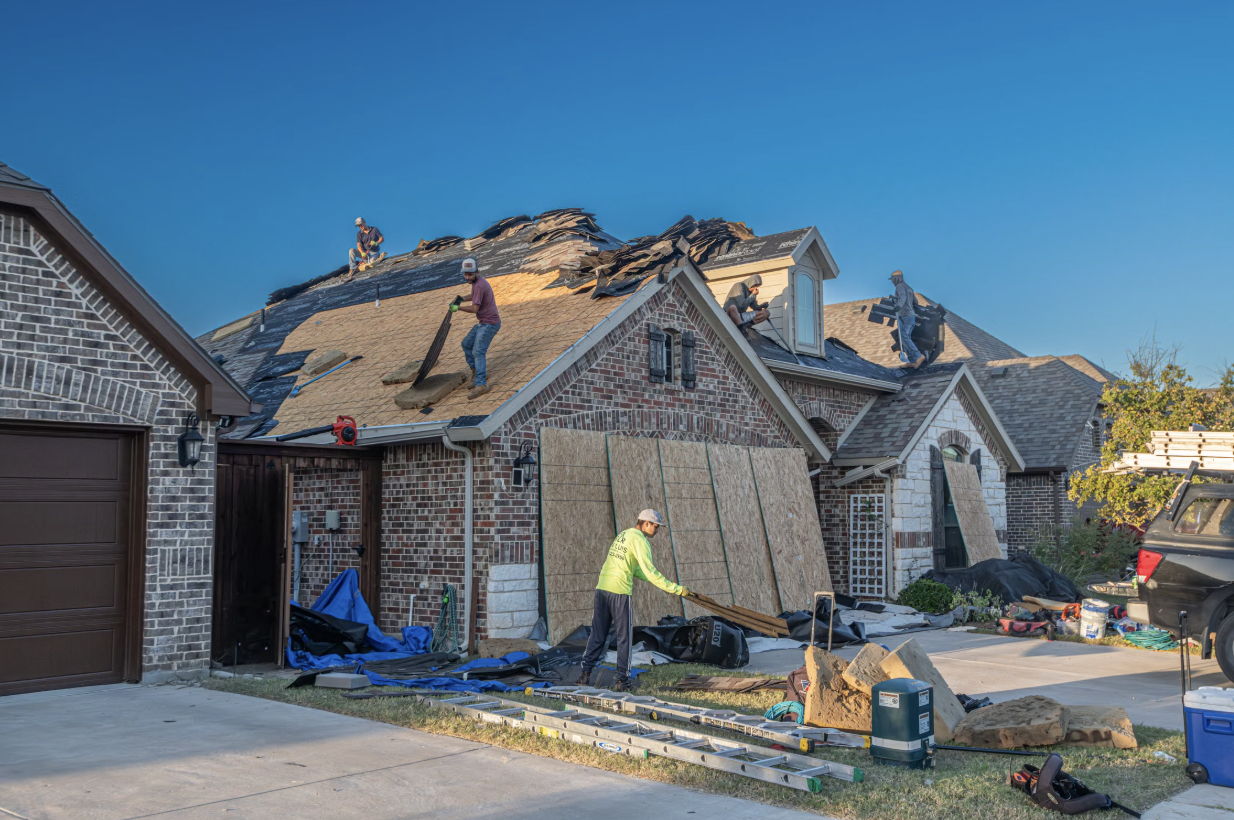
Quick Answer:
Roof decking is the layer of plywood or OSB (oriented strand board) nailed to your rafters that holds up the shingles above.
Roof decking repair is needed when that wood rots, sags, or takes storm damage. Most jobs replace a few sheets at about $75 to $150 each.
Lakeside Roofing & Remodeling starts each decking project with a free inspection.
Roof Decking That Holds Up Under Twin Cities Snow and Storms
Twin Cities roof decking takes a beating year-round. Snow sits on your roof for months at a time, ice dams push water under the shingle edges, and damp attic air can turn to frost on the underside of the boards. Then one day, there’s a brown stain on your ceiling, or your roofer calls mid-job to say they found soft wood.
Bad decking can’t be painted over or hidden under new shingles. The fix is to cut out the damaged wood and put down solid new sheets so your roof has a strong structure to hold onto. Lakeside Roofing & Remodeling handles roof decking work during repairs and full system replacements. We explain which areas need attention and which parts can be scheduled later on.
Not Sure What’s Under Your Shingles? Let’s Take a Look
A free inspection helps determine how your roof deck is holding up and what may need closer investigation.
What Does Roof Decking Work Include?
Roof decking work includes the overall inspection, repair, or replacement of the wood layer between the rafters (the sloped boards that frame your roof) and the shingles installed above. Depending on what the inspection finds, the work may involve repairing a few sheets near a leak. More widespread deterioration can require a larger replacement area.
Roof decking is also called sheathing, so you may see either word on an estimate. A standard decking job covers the new wood, fasteners, and labor. Framing repair and attic ventilation fixes are priced separately, since not every roof needs them.
Decking repairs can be a part of a broader roof repair or replacement project. A small repair on a newer roof means opening one area and tying new shingles into the old ones. During a full roof replacement, every board is exposed, making it the easiest time to check and replace decking.
A Stronger Base Without Covering Up Old Problems
New roof decking gives your shingles a stronger base in the Twin Cities. It also means old leaks and rot get fixed, not buried under a new roof.
- Old Damage Gets Fixed, Not Hidden: Installing new shingles over soft wood only hides the problem until it shows up as a leak or a sag. Replacing the damaged decking deals with the main cause, whether that was an old leak or years of attic moisture.
- Support Against Heavy Snow and Wind: Decking helps spread the weight of snow, wind, and roofing materials across the rafters. Solid sheets stay flat, while soft or rotted ones can sag in weak areas.
- Backs Up Your Roof Protective Layers: Ice and water shield is a sticky, waterproof layer installed along your roof edges and valleys. It only seals well on clean, solid decking, which matters when ice dams push meltwater up under your shingles.
- Repairs According to Minnesota Building Code: Minnesota roofing code requires solid decking to be installed under asphalt shingles. Doing it right helps your roof pass any city inspection.
- Helps Your Attic Work As It Should: Decking doesn’t insulate your home on its own. A tight, properly vented roof deck works with the roof insulation to cut down on attic frost, moisture, and ice dams during Twin Cities winters.
- Full Life For Your Shingles: Nails need solid wood to hold securely, so shingles stay put through summer thunderstorms. Most shingle manufacturers also require a sound deck under the roof for their warranty to apply.
A solid Twin Cities roof decking gives you a base ready for the next layers. Roof decking repair or replacement services deal with moisture concerns identified, not covered over new shingles.
Wondering If Your Roof Decking is Worth Fixing Now?
Checking, Documenting, and Replacing Roof Decking
Roof decking work starts with an initial assessment and a closer inspection once the affected area is exposed. Lakeside Roofing & Remodeling explains what’s happening at each stage. You’ll know when hidden damage turns up and what it needs.
Inspection and Planning
We review visible roof conditions and discuss leaks or previous repairs. Some damage can be seen from the attic while some rot only shows once the old shingles come off. We will tell you up front how any damage will be handled.
Removing the Old Roofing
Roofing and underlayment are removed layer by layer so the decking can be checked. Our team checks the decking for sags, stains, rot, and spongy, soft spots. Sound sheathing stays in place when it meets the roof system’s requirements.
Documenting Damage
We take photos of the damaged sections and explain how they affect the project. Any additional replacements are described clearly, including the quantity and added cost. Usually only some sheets need replacing or repair work. No layer goes down until you approve it.
Roof Decking Repair or Replacement
Damaged sheets are cut back to the center of the rafters, and new panels go in at the right thickness for your rafter spacing. Replacement sections receive the support and fastening required for the roof assembly. Panel thickness, edge spacing, and attachment follow the applicable decking specifications.
Restoring Protective Layers
Once the base is suitable, the required ice barrier, underlayment, flashing, and roofing are then installed. Each repair also addresses the route of water runoff specified in the assembly.
The actual decking condition is only determined after the full roofing is removed. In a full roof replacement project, most decking work can add about a day.
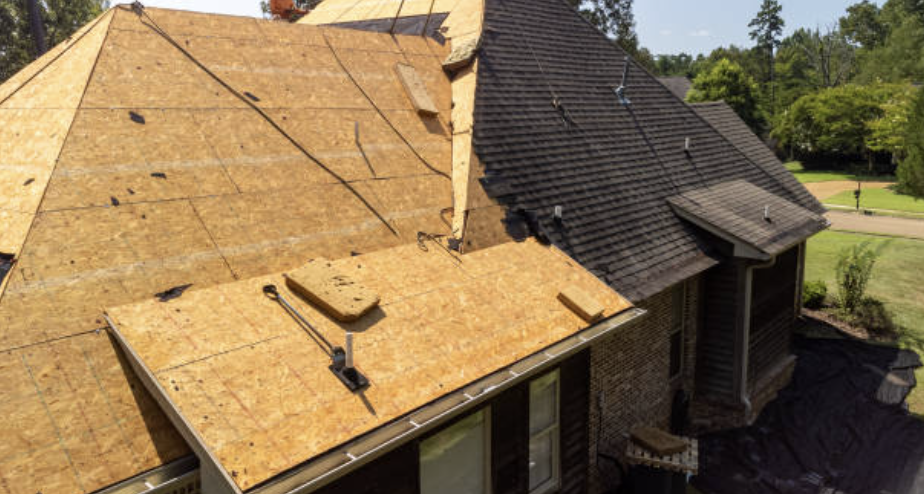
Plywood, OSB, and Existing Board Roof Decking
Most Twin Cities homes have one of three kinds of roof decking: plywood, OSB, or older board decking. These materials can serve as residential roof decking when they meet the roof assembly’s requirements. The right choice depends on framing spacing, panel ratings, existing conditions, and the selected roof covering.
| Option | Where It Fits | How It Handles Moisture | Best For |
|---|---|---|---|
| Roof-rated OSB | New sheathing and replacement sections | Fine when dry; but edges can swell if it stays wet. | Most reroofs and budget-friendly repairs. |
| Roof-rated CDX plywood | New sheathing and replacement sections | Dries out faster and holds nails better after getting wet. | Attics with a history of moisture or ice dams. |
| Existing wood decking | Older roofs where boards remain suitable | Solid lumber, but gaps, splits, and old nail holes can let shingles loosen. | Older homes where the boards are sound and the gaps meet code. |
When replacing a few sheets, our team matches the material that’s already on your roof. We will tell you which option fits your roof and budget, and if your existing decking is fine, we will say so.
What Changes the Price of Roof Decking?
The cost of Twin Cities roof decking work depends mostly on how much wood is damaged, which can stay hidden until the old shingles come off. A preliminary estimate explains how concealed damage is handled and added into the overall price.
- Number of Damaged Sheets: Each 4×8 sheet needed adds material and labor. Replacing three sheets and replacing a whole slope mean different jobs and cost.
- Board Decking Condition: If old board decking has wide gaps, rotted sections, or soft spots, it usually needs new sheathing over the whole roof, which raises the total.
- Roof Pitch and Height: Steep or tall roofs require more safety gear and setup time, which adds labor.
- Rafter Damage Underneath: If water reaches the roof framing, those boards need repair before new decking is installed. Rafter work is priced separately.
- Repair or Part of a Reroof: Fixing decking on its own means removing and replacing shingles just for that spot, so the cost per sheet runs higher than during a full replacement.
A free roof decking inspection gives you a written estimate based on the actual roof condition. Clear terms help you understand changes when hidden damage appears.
Hands-On Roofing and Framing Experience Behind Your Repair
Our owner, Ryan Raisanen, brings more than 18 years of hands-on construction experience to Lakeside Roofing & Remodeling. His experience also includes roofing, framing, and finish carpentry. Ryan can tell a surface stain from real rot and spot rafters that require attention. That means you only pay to replace what’s actually damaged.
You work with one owner from inspection through final repair. Ryan inspects your roof, walks you through what he found, and stays in contact until the last shingle is on. You are not handed off to a new rep when hidden damage turns up mid-job.
If a storm caused the damage, Lakeside Roofing & Remodeling provides documented storm damage restoration and works with your insurance adjuster on your side. If the rot came from age or long-term moisture instead, we will tell you that plainly before you file anything.
Homeowners Share Their Experience With Roof Deck Repairs
⭐⭐⭐⭐⭐
“I was extremely impressed with the professionalism and honesty provided by the owner. His work was beyond reproach. He absolutely delivered what he promised. I was totally satisfied with the quality of the work and materials provided and with the fast work provided by his crew. I would recommend this company to anyone needing roofing. I am so satisfied that I am calling him back to do some additional concrete repairs and maintenance to my deck. Great job Ryan.”
Lynn B., Verified Google Review
⭐⭐⭐⭐⭐
“It was my lucky day when Ryan pulled up mentioning a couple neighbor’s roofs had serious damage from a couple bad hail storms previously and offered an inspection. Normally I would not give someone the time of day but I said sure have it, well damage was found, claim paperwork submitted. From that day forward which was weeks, Ryan proved to be a master dealing with the Insurance company on my behalf and knowing what to do when. Now we have a new roof that looks great with many new sheets of roof decking and damaged leaf guards replaced. Thanks so much Ryan!”
Scott C., Verified Google Review
Talk Through What The Roof Inspection Found
Roof Decking Support Around Mayer and the West Metro
Lakeside Roofing & Remodeling serves the west and southwest Twin Cities metro from our home base in Mayer. We work with homeowners in Minnetonka, Wayzata, Edina, and Waconia on damaged roof decking or sheathing work tied to an upcoming roof project.
Our service area also includes Chanhassen, Chaska, and Eden Prairie. Not sure if your home is in our area? Give us a call and ask.
Twin Cities Roof Decking FAQs
Can you replace roof decking without getting a new roof?
Yes, damaged decking can be replaced without needing a full new roof. The shingles and underlayment over that spot are removed, the bad sheets are cut out and replaced, and new shingles are tied into your existing roof. It works best when the rest of the roof is in good shape and the damage is limited in one area.
Does homeowners insurance cover roof decking?
Yes, if the damage is caused by a storm or major weather event. Insurance often covers damaged roof decking from a covered event, like hail, wind, or a fallen tree. Rotting from age, poor attic ventilation, or a slow leak that went unrepaired isn’t usually covered. If a storm is involved, we document the damage and work with your adjuster.
How long does roof decking replacement take?
A small decking repair usually takes one day, and a full re-deck adds about a day to a full roof replacement. Bigger roofs or old board decking can take longer. Weather matters too, since we won’t leave your roof open with rain or snow on the way.
How much does it cost to replace a whole roof deck?
A full re-deck typically runs about $2.50 to $4.50 per square foot of roof, on top of the cost of the new roofing material. For a 2,000-square-foot roof, the overall cost is roughly $5,000 to $9,000. The final number depends on the selected roof material and whether old board decking needs to come off first.
Can new shingles go over older wood boards?
Yes, new shingles can often go over older wood boards. Minnesota code allows asphalt shingles on 1-inch wood boards when the boards are sound and meet the shingle maker’s requirements. Board condition and spacing both matter, and not all existing boards automatically need complete replacement.
Start with a Clear Look at Your Roof Decking
A free inspection gives you a starting point to understand the wood structure beneath your roof. Lakeside Roofing & Remodeling checks accessible areas, explains what the inspection finds, and discusses whether roof decking repair or replacement may be needed.
Contact our team to describe a leak, share inspection findings, or ask about planned roofing work. You can talk directly with our owner about your concerns before deciding. There is no pressure to move forward right away.